
Circular economy
From waste to the next harvest.
Zroni Enterprise runs a closed loop. The agricultural waste from our own farms becomes fertiliser that feeds the next crop. We also recover scrap and manage waste across the rest of the operation, so less of what we produce gets thrown away.
The loop
One cycle, four turns.
The waste from our farming feeds the fertiliser we make. That fertiliser goes back to the same farms. Those farms grow the next harvest, which produces more waste, and round it goes again. Follow the four steps below.
-
Collect the waste
Crop trimmings, peelings and other organic leftovers from our farms and food processing get gathered up instead of dumped. This is where the cycle starts.
-
Make the fertiliser
We process that organic waste into fertiliser here in Ghana, close to where it came from.
-
Return it to the farms
The fertiliser goes back to the same growers who produced the waste, ready to work into their soil.
-
Grow the next harvest
Better soil feeds the next crop, that crop produces more waste, and the cycle runs again.
Scrap recovery
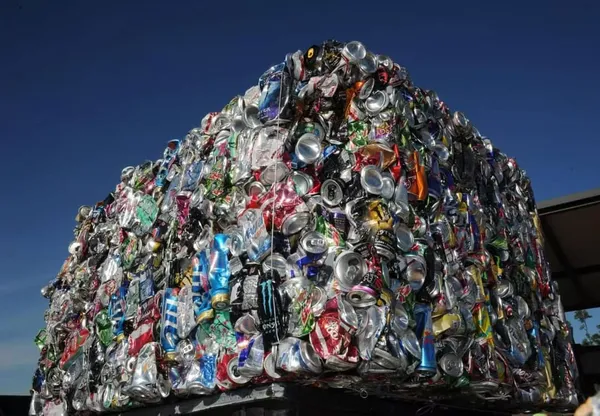
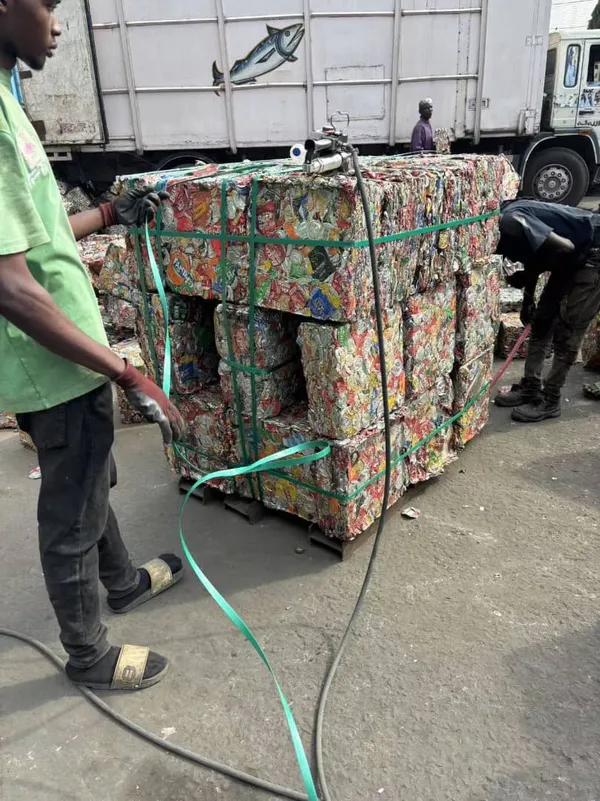
Metals and cans, baled and recovered.
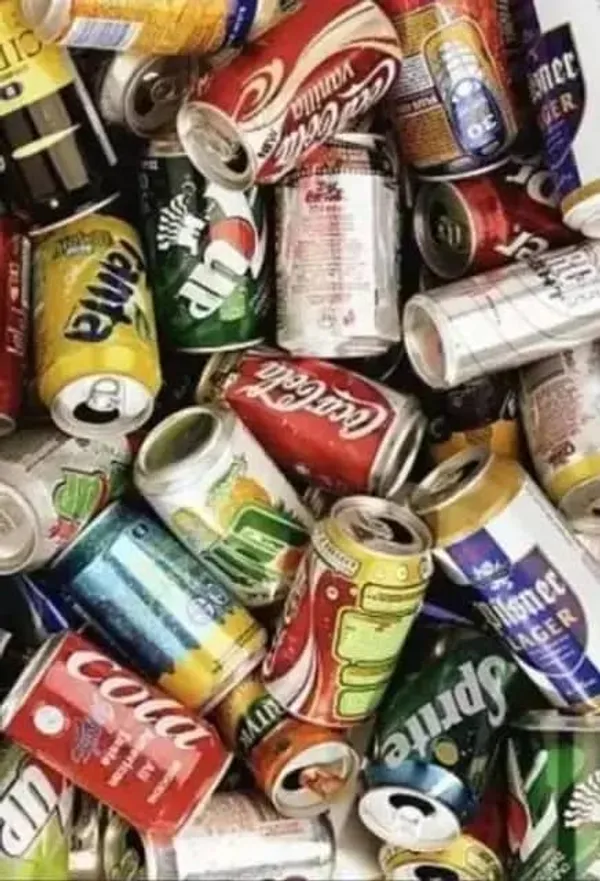
Scrap is worth money, not landfill space. We collect metal and cans from across the operation, sort them, and bale them so they can go back into the supply chain and be used again.
It keeps a steady stream of recyclable material out of the waste stream, and it is a habit we apply wherever it makes sense, not a one-off.
Fertiliser manufacturing
Turning organic waste into farm inputs.
We turn organic agricultural waste into fertiliser in Ghana, close to the farms that will use it. Making it locally keeps the journey short, from the waste coming off the field to the fertiliser going back into it.
The aim is plain: take what the farms produce as waste and give it back as something the soil can use. It is the part of the loop that makes the whole thing work.
Waste management
Handling waste across the whole operation.
The fertiliser loop and scrap recovery do not catch everything. The rest of the waste, across seafood, produce, farming and food processing, still has to be dealt with properly. So we sort it and handle it with the same idea in mind: keep anything usable in the cycle, and send as little as possible to be dumped.
It is ordinary, day-to-day work rather than a campaign. But run consistently, it adds up.
For sourcing teams
Why a closed loop matters to buyers.
If you source for a European or Gulf buyer, ESG is part of the conversation whether you raise it or not. A closed loop gives you something concrete to point to: one Ghanaian origin, a supply chain we can walk you through end to end, and waste that gets put back to work instead of written off.
-
Single Ghanaian origin
One country of origin. That keeps provenance simple to follow, and simple to explain to your own customers.
-
Traceability
We work from source to shipment, so we can talk you through the path a product took to reach you.
-
A closed loop
Waste feeding the next harvest is a real practice you can stand behind, not a line on a brochure.
We have kept this page to what we actually do, with no certification badges or environmental figures we cannot back up. If your due diligence needs specific standards or numbers, get in touch and we will share what we can document.
Tell us what you need and where it's going.
Send the species or produce, your volumes and destination port. We'll come back with availability, pricing and lead time.