Buyer Guides
When to source Ghanaian pineapple: a buyer's harvest calendar
A month-by-month guide to Ghanaian pineapple availability, covering varieties, peak windows and lead times, so you can plan purchasing and lock in supply with confidence.
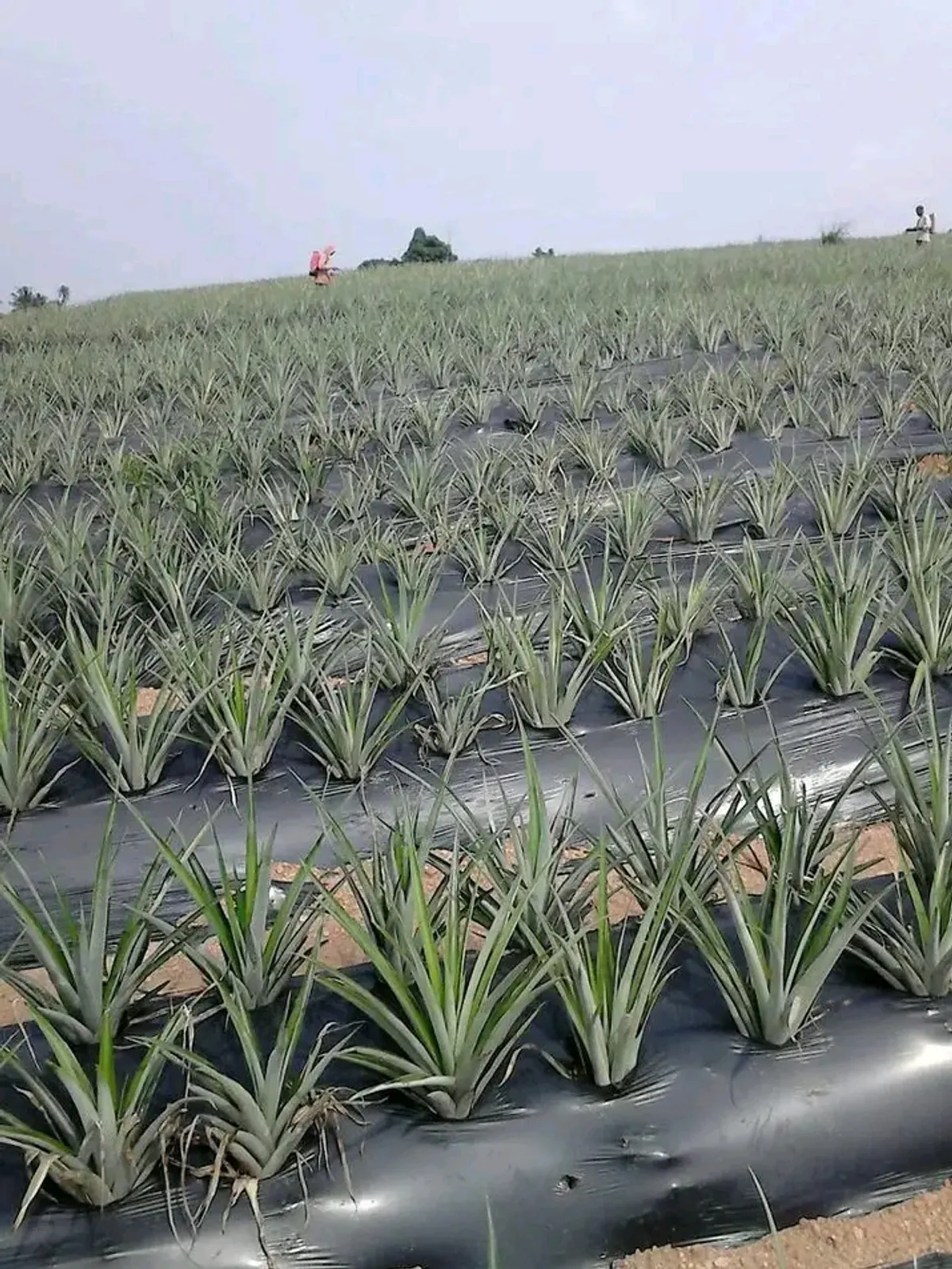
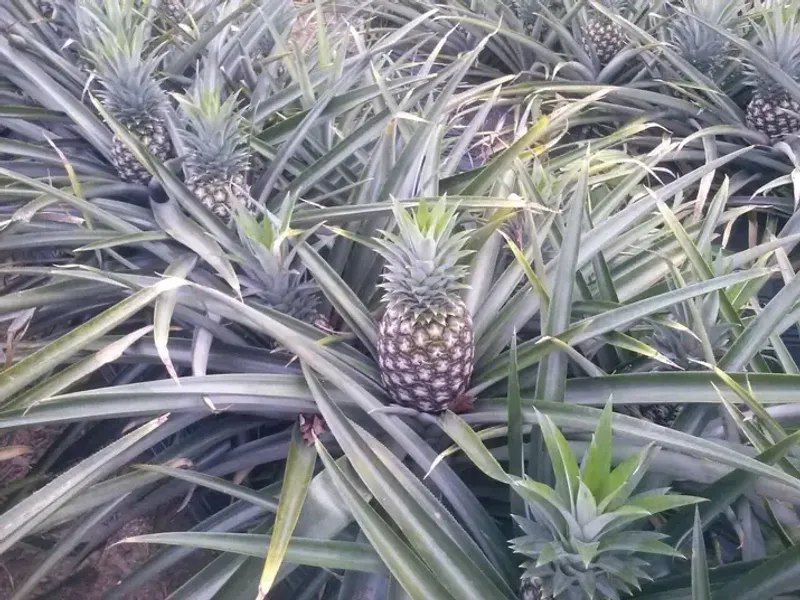
Ghana is a year-round pineapple origin, but “available all year” and “available in the volume, variety and grade you need this week” are two different things. If you buy fruit for retail, food service or processing, planning around the crop rhythm is what keeps your shelves full and your landed cost predictable.
This is a practical buyer’s calendar: when the main varieties peak, how lead times shift through the year, and how to brief us so your quote reflects what is actually on the ground.
The varieties you’ll be quoted
Three types cover most export demand, and each behaves differently:
- MD2 (Golden Sweet). The international retail standard: uniform, sweet, golden flesh and a long shelf life that travels well by sea. This is usually the right choice for supermarket programmes and consistent year-round supply.
- Smooth Cayenne. A robust, juicy fruit well suited to processing (juice, concentrate, dried) and to buyers who want a fuller, more acidic profile.
- Sugarloaf. A prized local variety: very sweet, low acid, with pale flesh and a thin core. Loved in regional and specialty markets; supply is more seasonal and volumes are tighter, so plan further ahead.
How availability moves through the year
Ghana’s pineapple supply tracks two rainy seasons and is increasingly smoothed by irrigated and staggered planting, so there is fruit in most months. As a planning frame:
- January–April (dry season). Generally strong, consistent quality and good sugar levels; a reliable window for retail-grade MD2.
- May–August (main rains). Volumes stay healthy; this is often a strong period for processing-grade fruit and competitive pricing.
- September–December. Supply continues, with availability and grade varying by farm and rainfall; book earlier in this window for large programmes.
Treat these as guidance, not a guarantee. Actual peaks shift year to year with weather and planting decisions. We confirm the live picture against your order date before you commit.
Lead times: plan backwards from your shelf date
For a sea-freight programme, work back from when you need fruit in market:
- Confirm spec and volume: variety, grade, count/size, packaging.
- Allow harvest + pack-out time so fruit is cut at the right maturity, not rushed or held.
- Add transit to your destination port, plus your own clearance and distribution time.
The earlier you brief us, the more we can align harvest windows to your dates. For first orders or peak-season volumes, more notice means better grade selection and steadier pricing.
What to send us for an accurate quote
Tell us:
- Variety (MD2, Smooth Cayenne, Sugarloaf) or the end use (retail, juice, drying) so we can recommend one.
- Volume and frequency: one-off container or a recurring programme.
- Grade / count / packaging preferences.
- Destination port and your target arrival window.
With that, we come back with availability, indicative pricing and a realistic lead time tied to the harvest calendar, not a generic number.
For the full produce range and the harvest-calendar block, see our fresh produce export page.
Planning a pineapple programme for the season ahead? Tell us what you need and we’ll map it to the calendar.