Buyer Guides
When to source Ghanaian mango: a buyer's harvest calendar
A buyer's month-by-month guide to Ghana mango season, covering the main and minor windows, counter-season supply against Latin America, and how to plan a purchase.
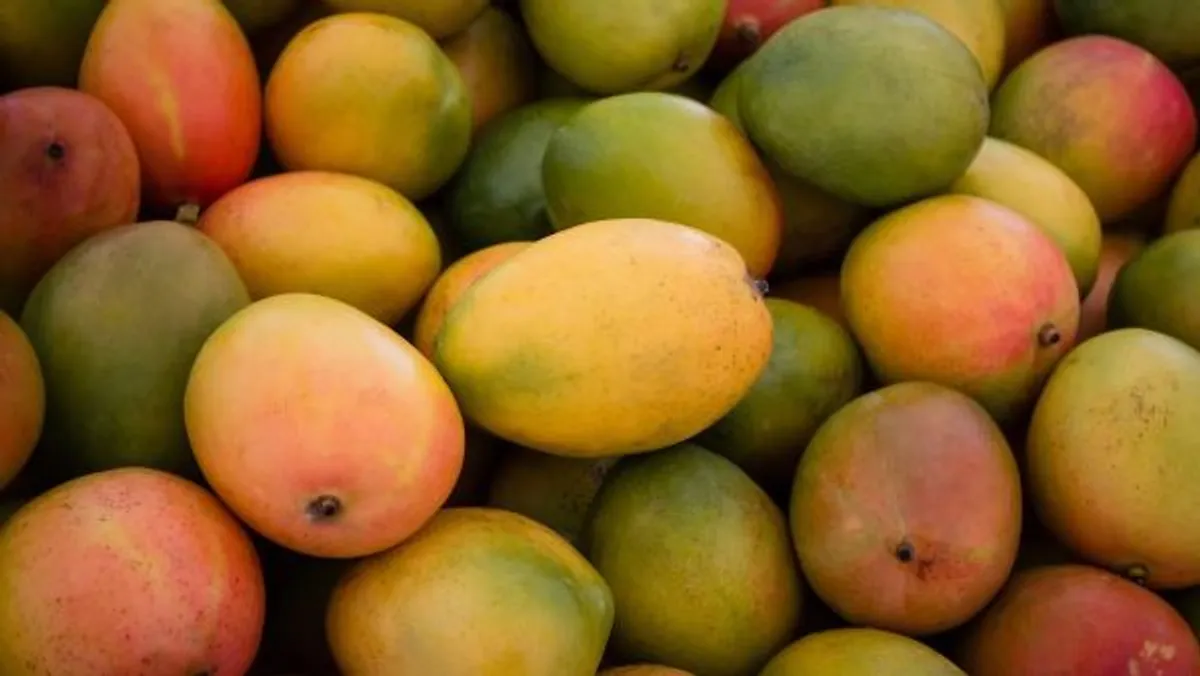
Mango is a fruit where timing is everything. Buy against the crop rhythm and you get better fruit, cleaner grade selection and steadier pricing. Miss the window and you are chasing whatever is left. If you buy for retail, food service or processing, knowing when Ghana mango season actually runs is what keeps a programme on track.
This is a practical buyer’s calendar: when the main and minor seasons fall, why Ghana’s counter-season fruit is useful to European and Middle East buyers, and how to brief us so your quote reflects what is really on the ground. The short answer to “when is mango season in Ghana” is that there are two seasons, not one, and knowing which one fits your dates changes how you plan the whole order.
How mango availability moves through the year
Ghana has two mango windows, a big one and a smaller one, with quiet spells in between. As a planning frame:
- March. Early fruit starts to come in. Volumes are building rather than full, so this is a window for smaller orders and getting first pick of the new crop.
- April, May and June (main peak). This is the heart of the Ghana mango season. Volumes are at their strongest, quality is consistent and grade selection is widest. If you want a large programme, this is the window to plan around.
- July. The main season tails off but fruit is still available. A good window to top up or extend a peak-season order.
- August, September and October. The main crop is off. Expect little to no export fruit in these months, so plan supply from other windows.
- November and December (minor season). A second, smaller crop comes through. Volumes are tighter than the main peak, but this window is valuable because of when it lands.
- January and February. Between the minor and main seasons, fruit is off again. This is the time to be lining up orders for the March and April crop.
Treat these as guidance, not a guarantee. Actual peaks shift year to year with weather and how the crop sets. We confirm the live picture against your order date before you commit.
The counter-season angle
The minor season, roughly November and December, is where Ghana gets interesting for buyers who plan globally. Much of the world’s mango supply leans on Latin American origins whose main season runs at a different time of year. When those origins are quieter, Ghana’s minor crop can offer off-cycle fruit into European and Middle East markets.
If your challenge is filling a gap when other origins are thin, this window is worth a conversation. Volumes are smaller than the main peak, so early booking matters more here than at any other point in the year. A firm plan agreed ahead of the crop lets us reserve fruit for you rather than leave you to compete for whatever is spare once the season is underway.
For steady year-round buyers, the useful way to think about mango export from Ghana is as two blocks: a large, flexible main season in spring and early summer, and a smaller, high-value minor season across the turn of the year. Most programmes lean on the main season for volume and use the minor season to hold a presence when other origins go quiet.
Lead times: plan backwards from your shelf date
For a sea-freight programme, work back from when you need fruit in market:
- Confirm spec and volume: sizes, count and packaging preference.
- Allow harvest and pack-out time so fruit is cut at the right maturity, not rushed or held.
- Add transit to your destination port, plus your own clearance and distribution time.
Mango has a shorter shelf life than a fruit like pineapple, so the maturity at cut and the transit time both matter more. The earlier you brief us, the more we can align harvest windows to your dates. For first orders, and for the tighter minor-season window, more notice means better grade selection and steadier pricing.
What to send us for an accurate quote
Tell us:
- End use (retail, food service, processing) so we can point you to the right fruit.
- Volume and frequency: one-off container or a recurring programme.
- Grade, count and packaging preferences. Sizes and grades are confirmed at quote.
- Destination port and your target arrival window.
With that, we come back with availability, indicative pricing and a realistic lead time tied to the harvest calendar, not a generic number.
For the full produce range and the harvest-calendar block, see our fresh produce export page. If you also buy pineapple, our pineapple harvest calendar and guide to Ghanaian pineapple varieties cover the same planning ground for that fruit.
Planning a mango programme for the season ahead? Tell us what you need and we’ll map it to the calendar.