Buyer Guides
FOB Tema or CIF: choosing the right Incoterm for your first container from Ghana
A plain guide to FOB Tema and CIF for first-time buyers: who books the freight, where risk transfers, what sits in the price, and how both appear on a Zroni quote.
If you’re buying your first container from Ghana, one small line on the quote decides a lot: the Incoterm. It sets who books the freight, where the risk passes from us to you, and what is already paid for in the number you see. Get that clear up front and the rest of the deal reads easily.
Two terms cover most first shipments out of Tema: FOB Tema and CIF your port. Here’s what each one means in practice, why buyers pick one over the other, and how we show both on a Zroni quote.
What an Incoterm actually does
An Incoterm is a short code from a published international standard. It splits the journey between seller and buyer and answers three questions at once:
- Who arranges and pays for carriage at each leg.
- Where risk transfers, meaning the point after which loss or damage is on your account, not ours.
- What is included in the price you are quoted.
It does not change the goods. It changes who is responsible for them, and when. That is why the same cartons can carry two different prices under two different terms: the terms bundle in different costs.
FOB Tema, in plain terms
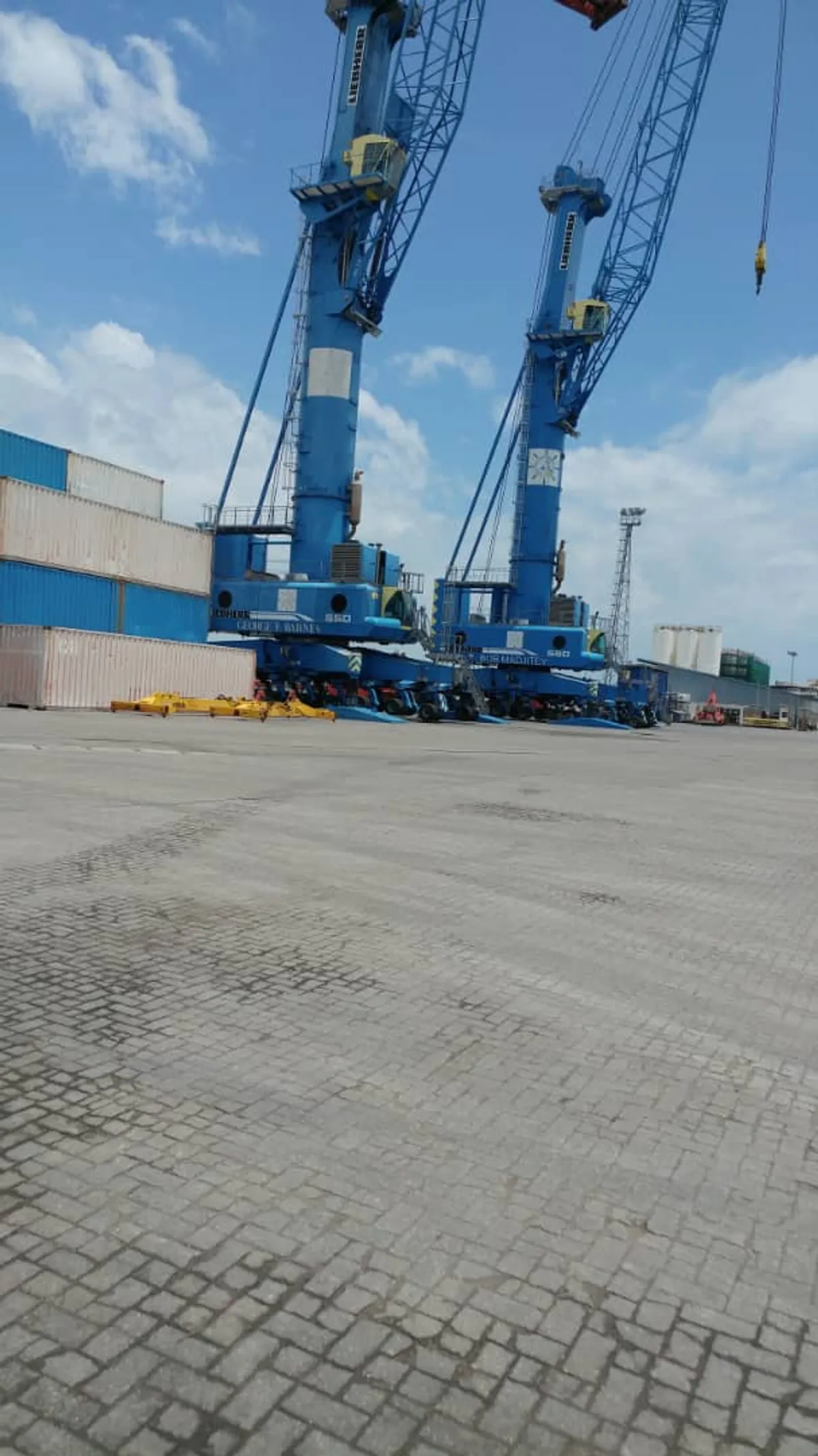
FOB stands for Free On Board. Under FOB Tema, we deliver the goods to the ship at the port of Tema and handle the export side up to that point. From there, the sea freight, insurance and onward carriage are yours to arrange and pay for.
In practice, with FOB Tema:
- We handle the goods, export packing, and getting the container to the vessel at Tema, along with the export-side paperwork.
- You handle the ocean freight booking, marine insurance if you want it, and everything from your destination port onward.
- Risk passes to you once the goods are on board at Tema.
Buyers choose FOB Tema when they already have their own freight forwarder and their own shipping rates. If you ship regularly, your rates may beat anything we’d add on top, and you’d rather control the booking yourself. FOB keeps our price to the goods and the port, and leaves the ocean leg in your hands.
CIF your port, in plain terms
CIF stands for Cost, Insurance and Freight. Under CIF, we arrange and pay carriage to your named destination port, and we add insurance for the sea leg. The price you see already has the freight and that insurance built in.
In practice, with CIF:
- We handle the goods, the export side at Tema, the ocean freight booking, and insurance cover to your port.
- You handle clearance at your end and onward carriage from the destination port.
- Risk still passes at the port of loading under CIF, but the cover we carry is there for the sea transit, which is worth knowing when you compare the two.
Buyers choose CIF when they’d rather we handle the freight. If this is your first container, or you don’t yet have forwarder relationships at the Ghana end, CIF gives you one price to your port and one party to deal with for the whole outbound journey. It’s the simpler starting point for many first-time buyers.
FOB Tema or CIF: how to choose
There’s no universally correct answer. The right term is the one that fits how you already buy. A few honest pointers:
- You have your own forwarder and good rates. FOB Tema usually suits you. You keep control of the ocean leg and you are not paying for freight through us.
- You want the fewest moving parts. CIF is the cleaner choice. One quote, freight included, to your port.
- You are comparing quotes from several suppliers. Make sure you compare like for like. A FOB number and a CIF number are not the same thing, because CIF already has the ocean freight inside it. Line them up on the same term before you judge which is cheaper.
- You are importing frozen seafood. The Incoterm sits on top of the cold chain, it does not replace it. For how the temperature-controlled side works end to end, see our guide on importing frozen fish from West Africa.
If you’re still unsure, tell us your destination and how you normally buy. We’ll point you to the term that’s cleanest for your situation, not the one that’s busiest for us.
How both appear on a Zroni quote
We quote FOB Tema and CIF, so you can see the trade clearly. When you ask for a price, tell us your destination port and your rough volumes, and we will lay out the numbers side by side where it helps. That way you can read exactly what is in each price: what stops at Tema under FOB, and what carries through to your port under CIF.
We confirm loading plans, the document set and lead times at quote, so nothing about the terms is a surprise once you commit. Both routes come with the same export-side paperwork discipline, because clean, consistent documents are what keep a container moving rather than held.
For the species and grades we ship, see our seafood export page, or the wider export overview for how we work across seafood and produce.
Working out whether FOB Tema or CIF fits your first container? Tell us your destination and volumes, and we will quote both so you can choose with the numbers in front of you. Start with a quote.