Buyer Guides
Importing frozen fish from West Africa: cold chain & documentation
What buyers should know about importing frozen fish from Ghana: the cold chain end to end, Incoterms like FOB Tema and CIF, and the documentation behind a clean shipment.
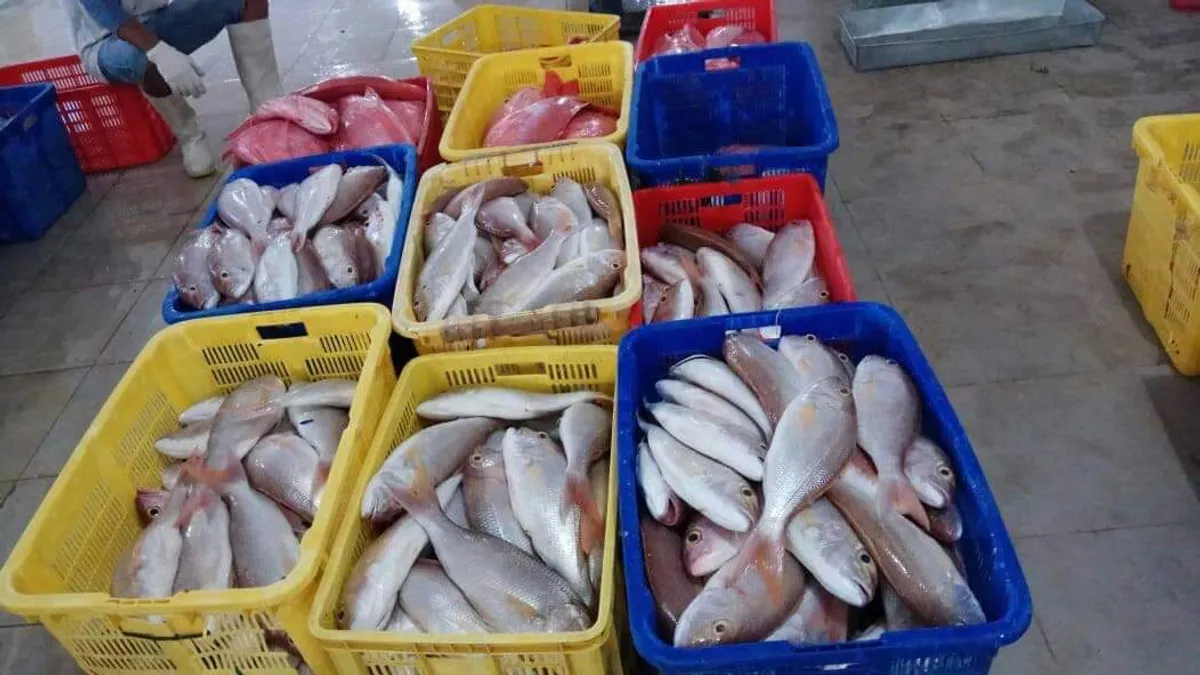
Importing frozen fish is mostly an exercise in two things done well: keeping the product cold from the moment it’s landed until it reaches your store, and getting the paperwork right so the shipment clears without surprises. Get those two right and the rest is logistics.
Here’s how a frozen-fish shipment from West Africa actually works, and how we manage it on the Ghana side so your side is straightforward.
The cold chain, end to end
Quality is decided early and then defended at every step:
- Landing and handling. Catch comes off the boats and is sorted and iced or chilled quickly to protect freshness before processing.
- Grading and processing. Fish is graded to your spec, by species, size and presentation (whole, gutted, fillet), then prepared for freezing.
- Freezing. Product is brought down to frozen storage temperature and held in cold storage, not left to fluctuate.
- Reefer loading. Frozen cartons are loaded into a temperature-controlled reefer container so the cold chain is unbroken from store to vessel.
- Sea transit. The reefer maintains temperature in transit to your port.
- Your side. Clearance, then onward to your own cold storage.
A break anywhere, whether slow handling at landing or a warm gap before the reefer, shows up later as quality loss. The point of managing it as one chain is that nobody owns just their link.
Incoterms: who does what
The Incoterm sets where our responsibility ends and yours begins. Two common choices for frozen fish out of Ghana:
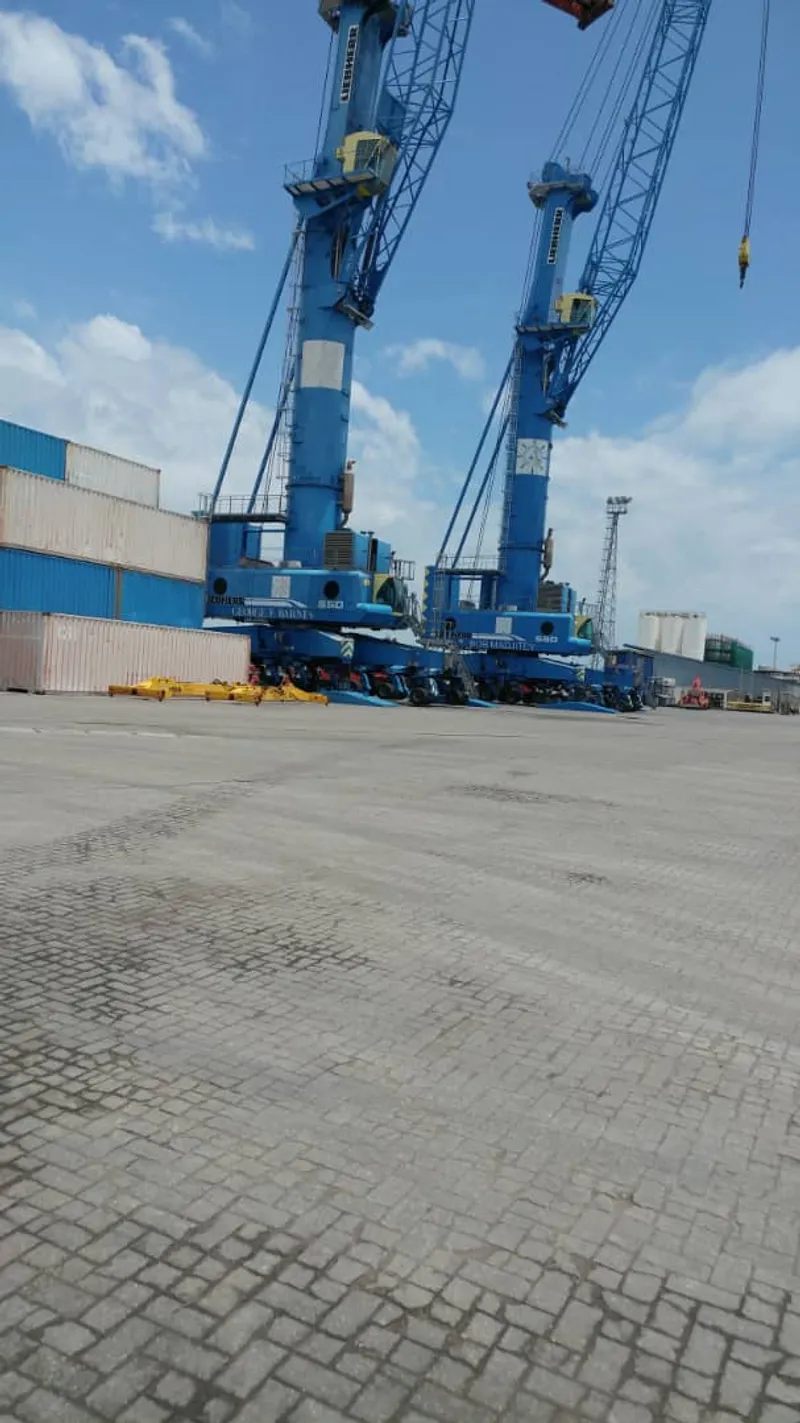
- FOB Tema. We deliver the goods loaded at the port of Tema; you arrange and pay for sea freight, insurance and onward carriage. Good if you have your own freight rates and forwarder.
- CIF (your port). We arrange and pay carriage and insurance to your named destination port. Simpler for buyers who’d rather we handle freight.
If you’re unsure which fits, tell us your destination and how you usually buy, and we’ll quote on the basis that’s cleanest for you.
Documentation overview
A frozen-fish import typically travels with a documentation set such as:
- Commercial invoice and packing list (species, counts, weights, carton detail).
- Bill of lading from the carrier.
- Certificate of origin evidencing Ghanaian / West African origin.
- Any import permits or destination-market documents your country requires.
Specific certificates and inspections vary by destination market and product. Tell us your country and we’ll confirm exactly what your shipment needs before you commit.
How we handle the docs
We prepare the export-side documentation to match the goods on the shipment, so the figures on your invoice, packing list and bill of lading line up. Clean, consistent paperwork is the difference between a smooth clearance and a held container, so we treat it as part of the product, not an afterthought.
For the species and grades we export, see our seafood export page.
Planning a frozen-fish import and want a clear quote with the right Incoterm and document set? Tell us your destination and volumes.