Buyer Guides
Sourcing yam from Ghana: the world's biggest exporter, explained for buyers
Ghana is the world's leading yam exporter. Here is what buyers should know about sourcing, what to request, packing through Tema, and getting a quote.
If you buy yam for a market outside West Africa, there is a good chance the trail leads back to Ghana. Ghana is the world’s leading exporter of yam, and it has held that position for years. Behind the ranking is a simple reality: yam is a staple here, growing regions know the crop well, and there is a steady, year round pull from diaspora communities and food service buyers who want the real thing on the shelf.
That demand is what makes yam a straightforward product to source, as long as you buy it the right way. Here is how we think about it, and what we need from you to put a shipment together.
Why buyers come to Ghana for yam
Two things keep Ghana at the front. The first is scale and familiarity. Yam is grown widely and handled by people who have done it for generations, so supply is deep and consistent through the season. The second is demand pull. West African households abroad cook with yam every week, and restaurants and grocers that serve those communities need reliable stock. When that demand meets a country that already grows more yam for export than anyone else, sourcing becomes a question of doing the basics well rather than chasing scarce supply. For a buyer, that steadiness is worth a lot. It means you can plan a program around Ghana rather than treating each order as a scramble, and it means repeat shipments can look a lot like the last one.
We source and ship yams against confirmed orders. We are not selling you a fixed catalogue line here; we build each shipment around what you actually need.
What buyers usually ask for
Most requests we see are for fresh tuber, not processed product. Buyers want whole yams that arrive in good condition and sell as a recognisable, quality staple.
The variety that comes up most often is puna, also spelled pona. Buyers ask for it by name because their customers know it and trust it. We treat that as a buyer preference to confirm, not a fixed stock item on our side. If puna is what your market wants, tell us, and we work to it.
On sizes and grades, the honest answer is that these are confirmed at quote. Yam comes in a range of sizes, and what suits a grocery shelf is not always what suits a food service kitchen. Rather than publish a spec that may not fit your market, we agree the size and grade profile with you when we price the order. For a wider view of what else we move alongside yam, see our produce range.
How we handle it
The flow from field to port is not complicated, but each step protects the product.
Sourcing. We buy from growing regions where yam is a known crop, working to the size and grade profile agreed on your order.
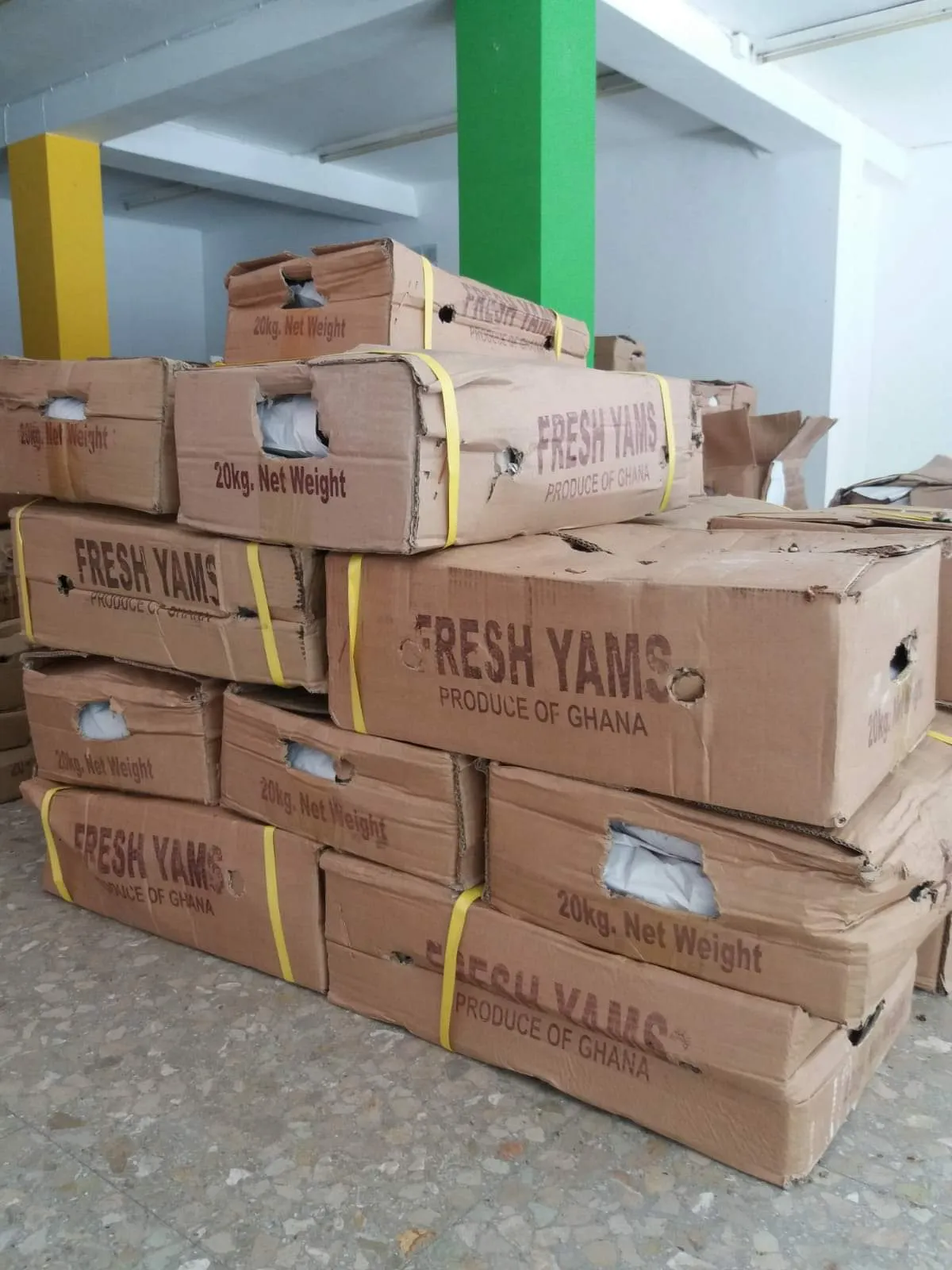
Selection and packing. Tubers are selected and packed for export so they travel well and arrive presentable. Packing is where a lot of the arrival quality is decided, so we do not rush it.
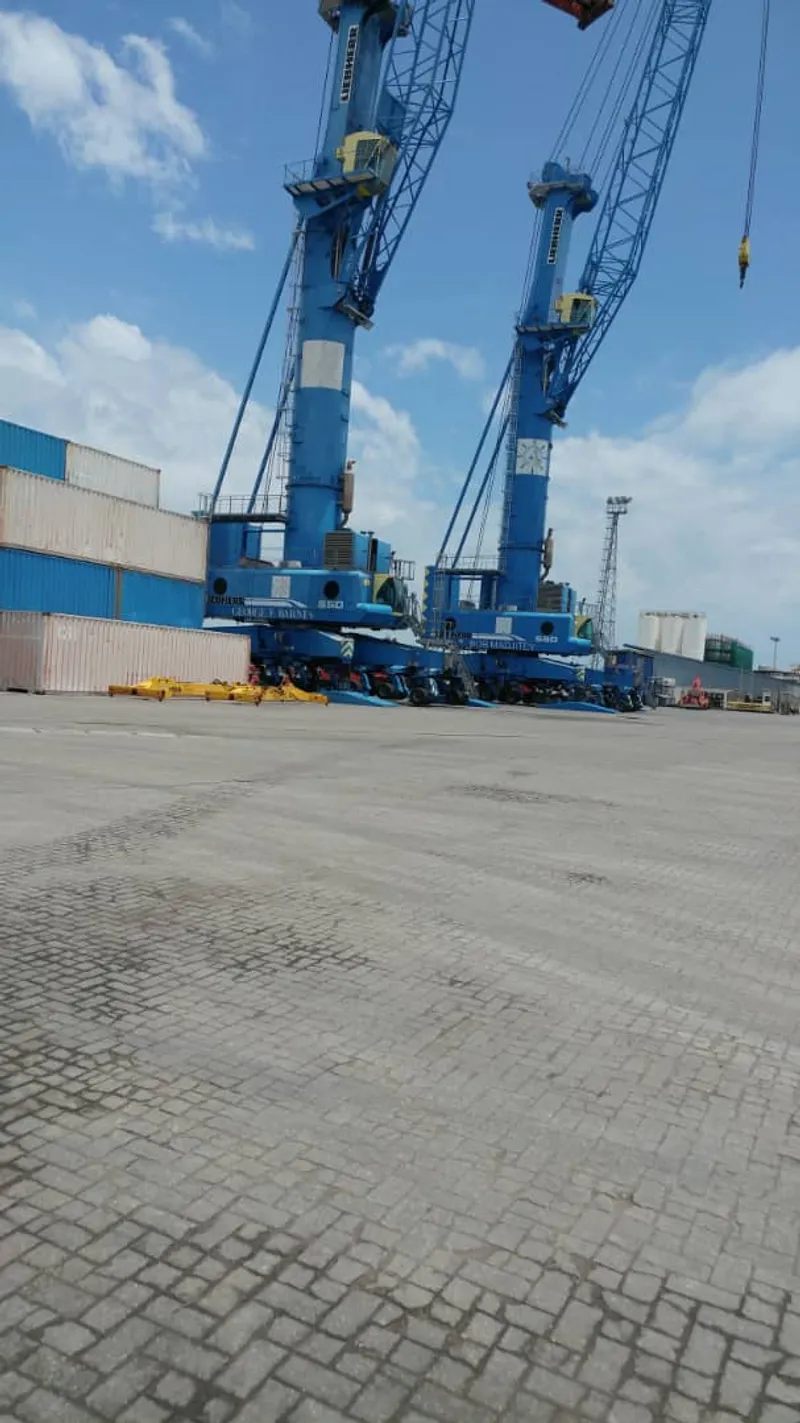
Consolidation and dispatch. Packed product is consolidated and dispatched through the port of Tema, then handed into the export chain toward your destination.
Yam is a robust crop, which is one reason it ships well over distance. It is firmer and more forgiving than soft fruit. That said, robust does not mean careless. Sound handling and proper packing still matter, because they are what keep condition intact through loading, transit and the final leg to your door. We treat the packing and handling as the part that earns the arrival, not an afterthought.
What to send us for a quote
The fastest way to a useful price is to give us the shape of the order up front. The more of this we have, the tighter and quicker the quote:
- Volume and frequency. How much you need, and whether it is a one off or a repeating program.
- Size and grade preferences. Tell us what your market expects. We confirm the exact sizes and grades at quote.
- Packaging. Any carton, labelling or presentation requirements your buyers or your market rules call for.
- Destination port. Where the shipment is landing.
- Target arrival window. When you need it on the ground.
- Incoterm. How you want to buy, for example FOB Tema or CIF your port. If you are weighing those up, our note on FOB Tema or CIF walks through the trade offs.
With those in hand we can come back with a clear price and a realistic plan for getting the yam to you in good shape.
If you also handle seasonal fruit, our Ghanaian mango harvest calendar is a useful companion guide for planning produce programs around the year.
Need yams shipped against a confirmed order? Tell us your volumes and destination and we’ll come back with a quote.