Field Notes
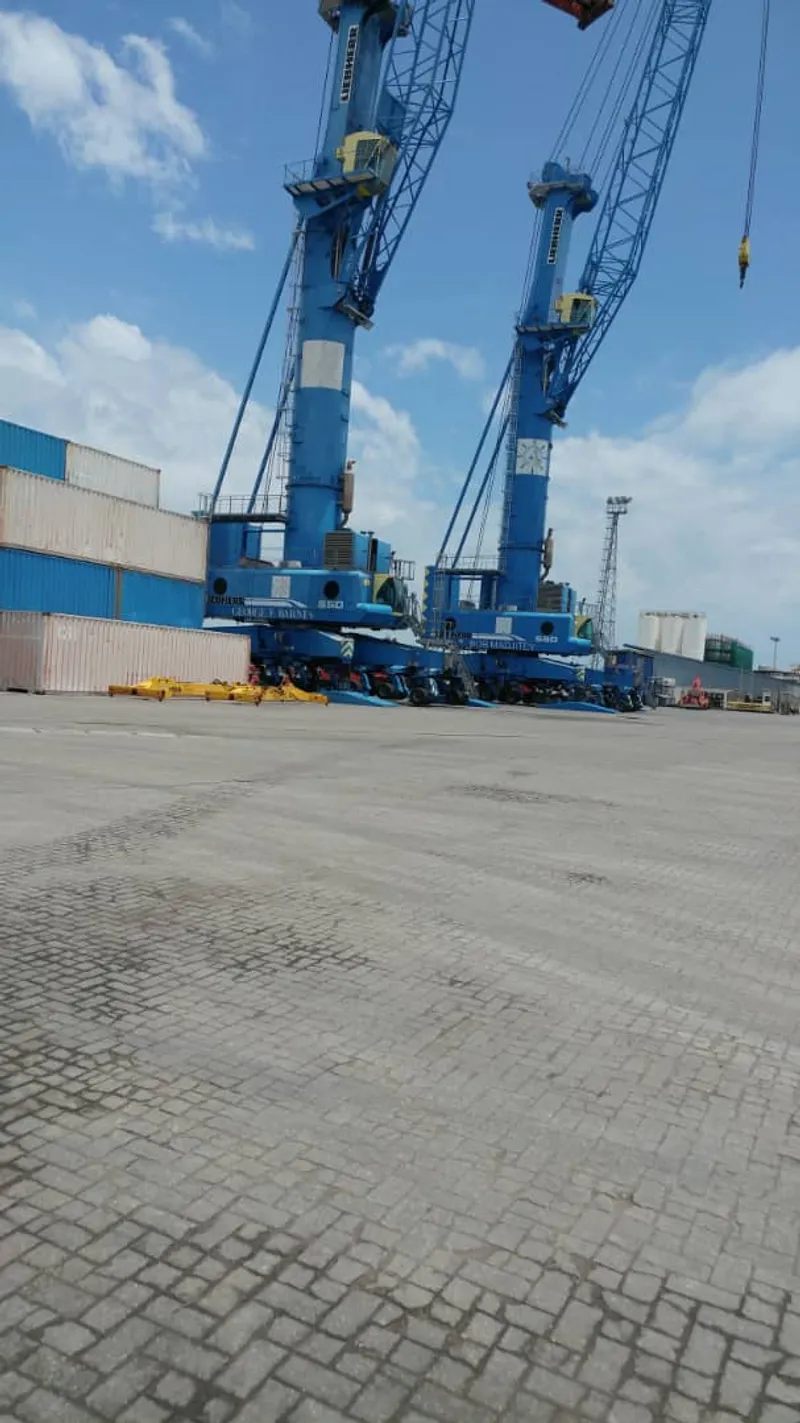
Loading day: a reefer leaves Tema
A short field note from a loading day at Tema: cold store to container to vessel, the temperature checks, the seal and the gate pass, and the quiet care behind a clean frozen shipment.
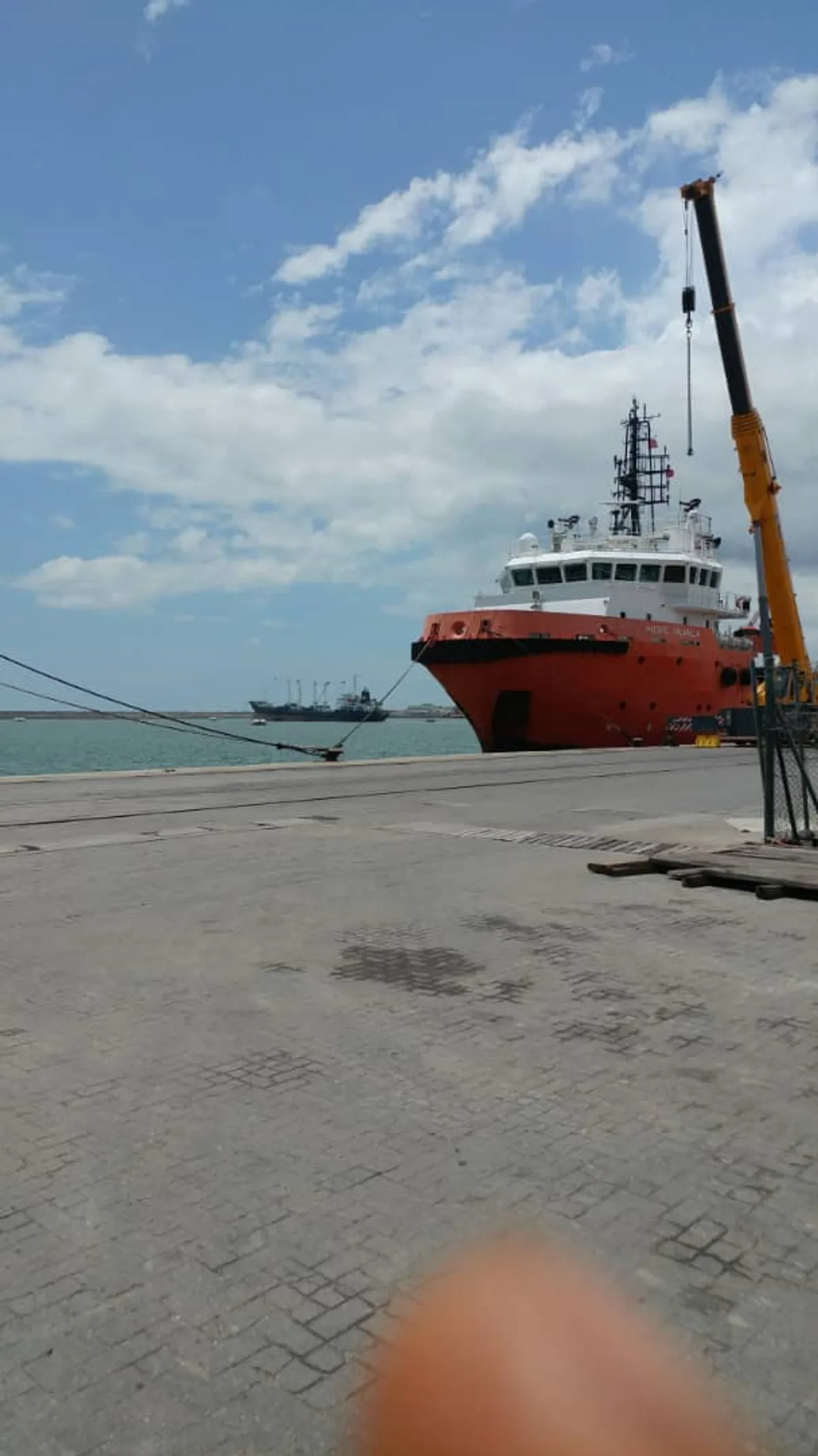
Loading day has its own rhythm, quieter than the harbour at landing but just as careful. The container is already at the cold store when we arrive, doors open, the reefer unit humming and pulled down to temperature before a single carton goes near it. Cold first, then cargo. That’s the order that matters.
Out of the cold store
Inside, the cartons are stacked and waiting, still holding the deep cold of frozen storage. The forklift works in short runs from the store to the container mouth, and the pace is set by one rule: do not let the product warm on the way in. Every minute a carton spends in the open is a minute we’d rather it didn’t. So the door stays worked, not propped open and forgotten.
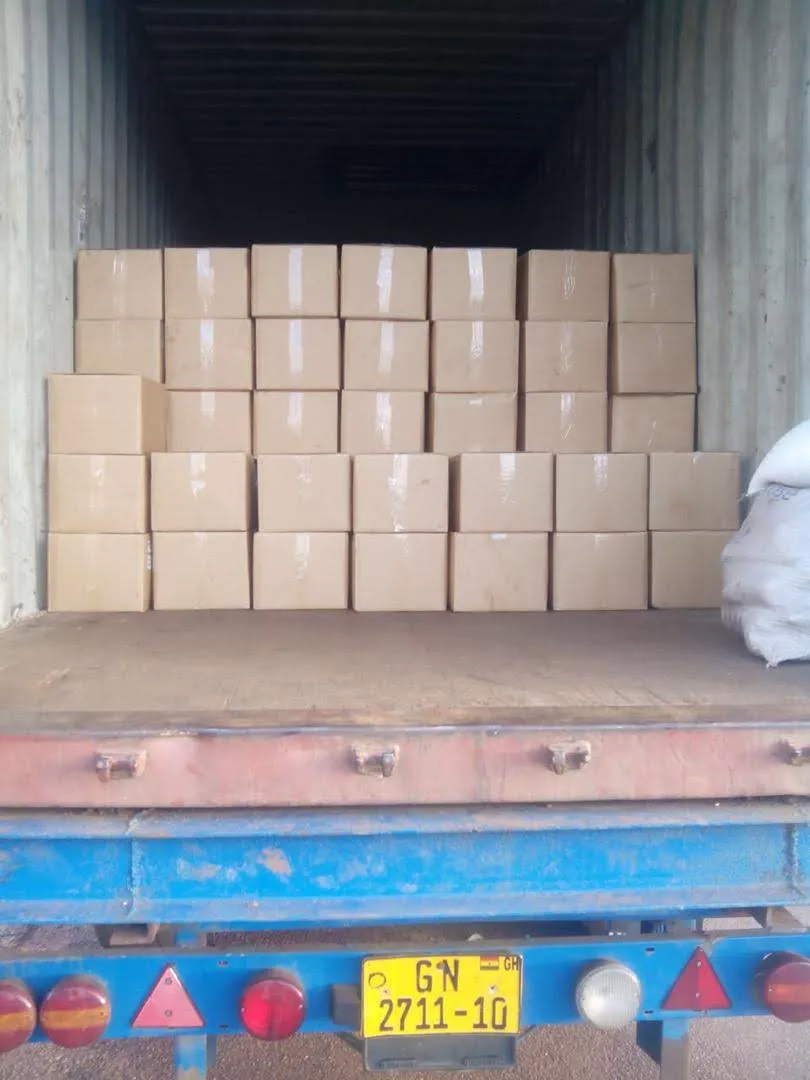
The cartons go in the way the load plan says. There is a pattern to it: stacked so the cold air can move around them, not jammed solid to the roof and the doors. The reefer cools by pushing air through the cargo, and the stack has to let it. You can see the crew leaving the channels the airflow needs. It looks like empty space. It’s doing a job.
Checks, seal and paper
Temperature gets checked, and checked again. The set point on the unit is read, the product is what it should be coming out of store, and the numbers are noted rather than trusted to memory. This is the boring, essential part, and the part we won’t rush.
When the last carton is in and the count matches the list, the doors close. The seal goes on, its number written down against the paperwork so the container that leaves is provably the same one that arrives. From here the commercial invoice, the packing list, the bill of lading detail all have to line up with what is actually inside. Clean paper is not an afterthought on loading day. It is half the job.
Then the gate pass. The container rolls off toward the terminal, and the box that was a stack of cartons an hour ago is now a sealed, documented shipment with a vessel to catch.
Why we stand here for it
You can arrange all of this from a desk. We’d rather be at the cold store door watching the temperature checks and the seal go on, the same way we’d rather be on the quay at Tema when the catch is landed. It is the far end of the same cold chain, and the same reason: origin you can stand behind, because we stood there.
The terms on the container, whether it left FOB Tema or CIF, and how the load was planned to fit a 20ft reefer, were settled long before loading day. What is left here is care: keep it cold, count it right, seal it clean, hand over paper that matches. The wider picture of the cold chain and the documents is in our guide on importing frozen fish from West Africa.
By the time the reefer is on its way to the vessel, the store is quiet again. We head off with the seal number in the file and a container we can vouch for at sea.
Want frozen seafood from a supplier who is at the cold store door on loading day? Tell us what you need.