Buyer Guides
Red snapper sizes, grades and forms: what to ask for when you buy from Ghana
A buyer's guide to red snapper from Ghana: whole round vs whole gutted, size grades, IQF vs chilled, and how to specify a clean enquiry.
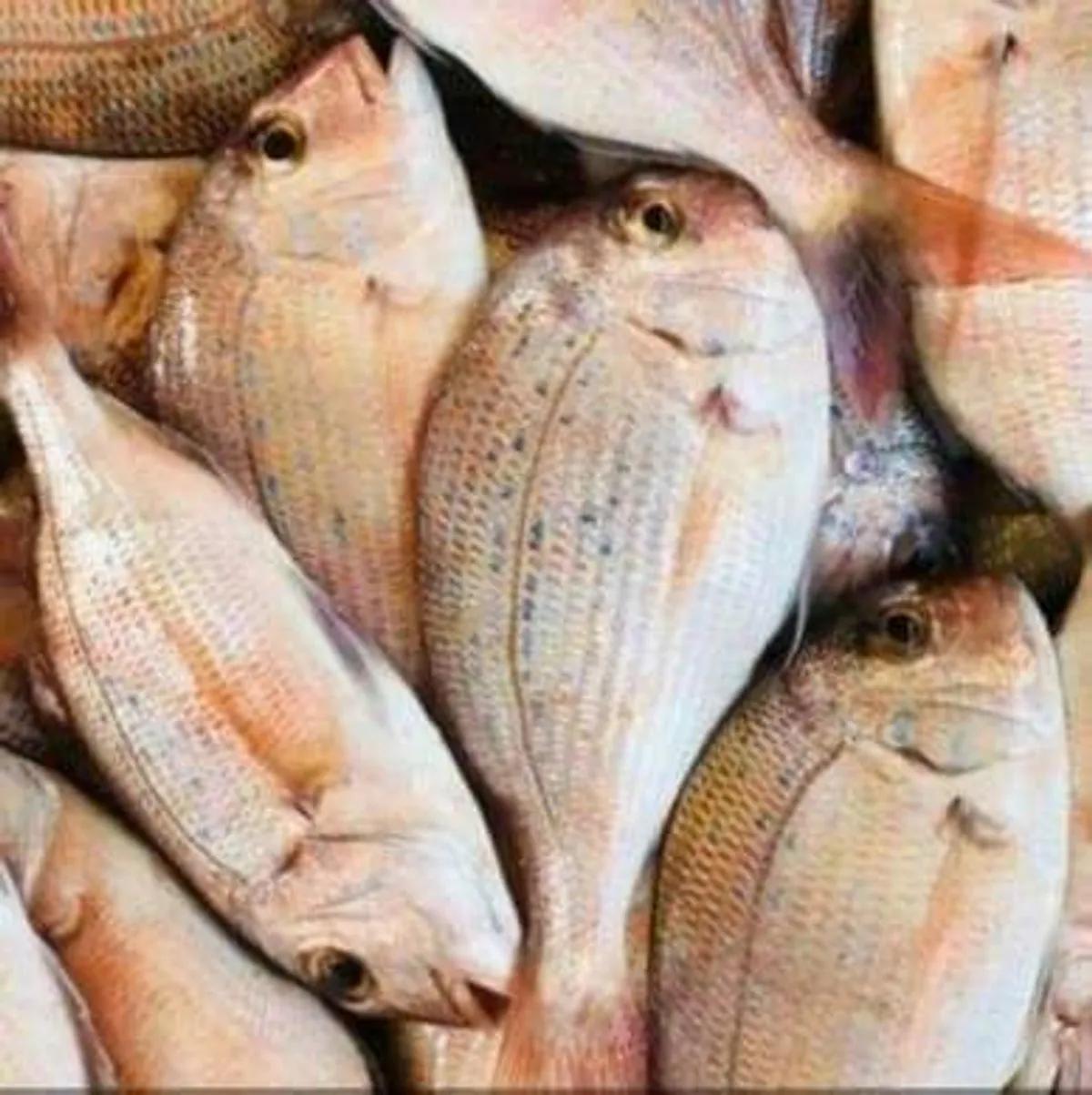
Red snapper is our flagship, and it’s also the species where buyers ask us the most questions. Most of those questions come down to three things: what form the fish is in, how it’s sized, and how it’s frozen. Get those three right on your enquiry and the quote we send back will actually match what lands in your cold store.
Here’s how we think about each one, in plain trade terms, so you know what to ask for when you buy red snapper from Ghana.
Whole round vs whole gutted vs gilled-and-gutted
The “form” is simply how the fish is presented. Three are common for snapper:
- Whole round (WR). The fish exactly as it comes off the boat, nothing removed. It carries the highest headline weight per piece and gives your own team full control over how it’s processed downstream. It also means you’re paying to ship the parts you’ll later remove.
- Whole gutted (WG). The guts are removed, everything else stays. This is the middle ground many buyers pick: it protects freshness by taking out the fastest-spoiling parts early, while keeping the fish visually whole for display or portioning at your end.
- Gilled-and-gutted (G&G). Gills and guts both removed. A cleaner presentation again, often preferred where the fish is going straight to a counter or kitchen with little further handling.
The trade-off runs in one direction. The more that’s removed before shipping, the less waste you carry and the cleaner the product arrives, but the yield per piece drops and the per-kilo price reflects the added handling. There’s no single right answer. A processor who fillets in-house often wants whole round; a retailer selling whole fish on ice often wants gutted. The “whole round vs whole gutted” decision is really a decision about where you want the processing work to happen.
If you’re not sure, tell us what happens to the fish after it reaches you and we’ll suggest the form that wastes the least on both sides.
Why size grading matters
Snapper doesn’t come out of the sea in one size, so it gets sorted. Size grading means the catch is separated into consistent bands, and it matters more than buyers sometimes expect:
- Portion consistency. A restaurant plating a whole fish or a fixed fillet needs pieces that look and cook alike. Mixed sizes make that impossible.
- Predictable plate cost. When every piece in a carton sits in the same band, your cost per portion is stable and you can price your menu or shelf with confidence.
- Predictable counts. A known size band means a known rough count per carton, which makes your own planning, ordering and stock rotation simpler.
Size grading is generally expressed as gram ranges, so each band covers fish within a set weight window. We won’t publish specific bands here as a standing offer, because the grades available shift with the season and the landings. What we do instead is confirm the exact size bands, and the carton weights that go with them, on your spec sheet at quote. That way the number you agree to is the number that ships, not a figure from a blog post that may not match this week’s catch.
If frozen red snapper size grades are central to your business, say so in your first message. We’ll build the quote around the bands you actually need.
IQF vs chilled and fresh
The last big choice is how the fish is preserved for the journey.
- IQF (individually quick frozen). Each fish is frozen individually and fast, then packed. Because the pieces don’t freeze into one solid block, you can pull exactly the quantity you need and leave the rest frozen. That suits buyers who draw stock down gradually, and it holds condition well over a long sea voyage.
- Chilled or fresh. The fish is kept cold but not frozen. This is for buyers who are close enough, or moving fast enough by air, to sell it fresh, and who can manage a short shelf life and a tighter cold chain. It’s less forgiving in transit, so it tends to make sense over shorter routes or premium fresh channels.
For most export routes out of Ghana, frozen is the practical choice, and IQF is what makes a frozen order flexible at your end. If you need the fish to survive a long reefer voyage and arrive in good order, the cold chain does the heavy lifting. We cover how that chain holds together in importing frozen fish from West Africa.
How to specify your enquiry
When you write to us, the clearer your spec, the faster and more accurate the quote. A good red snapper enquiry names five things:
- Form. Whole round, whole gutted, or gilled-and-gutted.
- Size band. The gram range or ranges you want, or just your target portion size and we’ll match it.
- Freezing and pack. IQF or chilled, and any packing preference such as carton or bulk. Carton weights are confirmed at quote.
- Incoterm. How you want to buy, for example FOB Tema if you run your own freight, or CIF to your named port if you’d rather we arrange it. There’s more on that choice in FOB Tema or CIF.
- Destination and volume. Your port and roughly how much, per shipment or per month.
You don’t need to have every detail settled. Even a rough version of the five lets us come back with a real, workable quote instead of a guess, and grade bands and carton weights are confirmed at quote once we see the season’s landings.
For the full range of species and grades we handle alongside snapper, see our seafood export page.
Planning a red snapper order and want a clear quote with the right form, size band and Incoterm? Tell us your destination and volumes.